
"Speak" by Henry Slesar
"Interim" by Ray Bradbury
Irony
- Situational Irony - an unexpected event (or situation)
- Dramatic Irony - the reader/audience knows what the characters do not
- Verbal Irony - what is said is not what is meant
Pacing
"The Lady or the Tiger" by Stockton
The Plot Line (notes)
"Lady or the Tiger" Contest winners:
Chloe H. (2026)
"The Tale Tell Heart" by Poe
"The Cask of Amontillado" by Edgar Allan Poe
Point of View
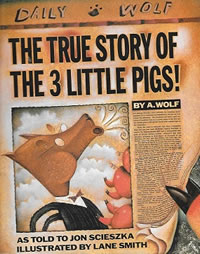
"To Build a Fire" by Jack London
Conflict
- Character vs Character - two characters are fighting, schemeing against, or arguing with each other
- Character vs Nature - the character is struggling against something that is nature - wild animals, terrain, weather, etc.
- Character vs Society - the character is going against a group (class, city, government, cultural beliefs, etc.)
- Character vs Self - the character has inner struggles like doubt
"The Veldt" by Ray Bradbury
Putting it all together
"The Legend of Sleepy Hollow"
by Washington Irving
Putting it all together
Quizizz
The Short Story Unit Test
You will be able to use all notes on this test. It is performative, which means you will need to break apart a short story by the plot line, irony, pacing, conflict, characters, and narration as well as demonstrate that you understood what you read by answering reading comprehension questions.
Best way to prepare for the test - get your materials together and conisder reading the story the night before. On test day you should then skim it again to refresh the details before starting to answer the test questions.
The story for the test will be by Ray Bradbury and is titled: "Marionettes, Inc." Since this is by Ray Bradbury, you can expect it to be about the future (for him, that is - the story takes place in the 1990s) and he is trying to envision what fantastical things we will have.
Read the story here:
- Honors version
- Regular version